

GRE is NOT required
for Applicants
Students applying within the US may qualify
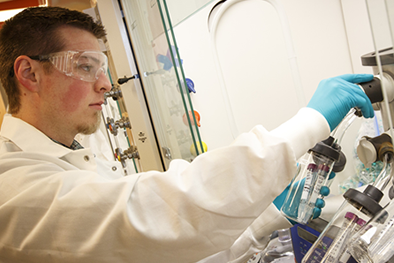
Graduates
Take a deeper dive with our master’s that prepares you for industry. Our doctorate focuses on innovation and problem-solving through research.
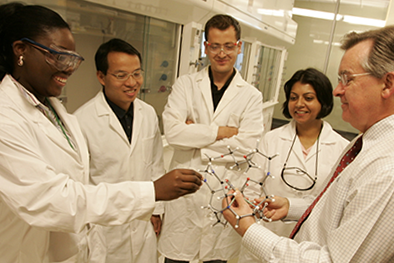
Faculty & Research
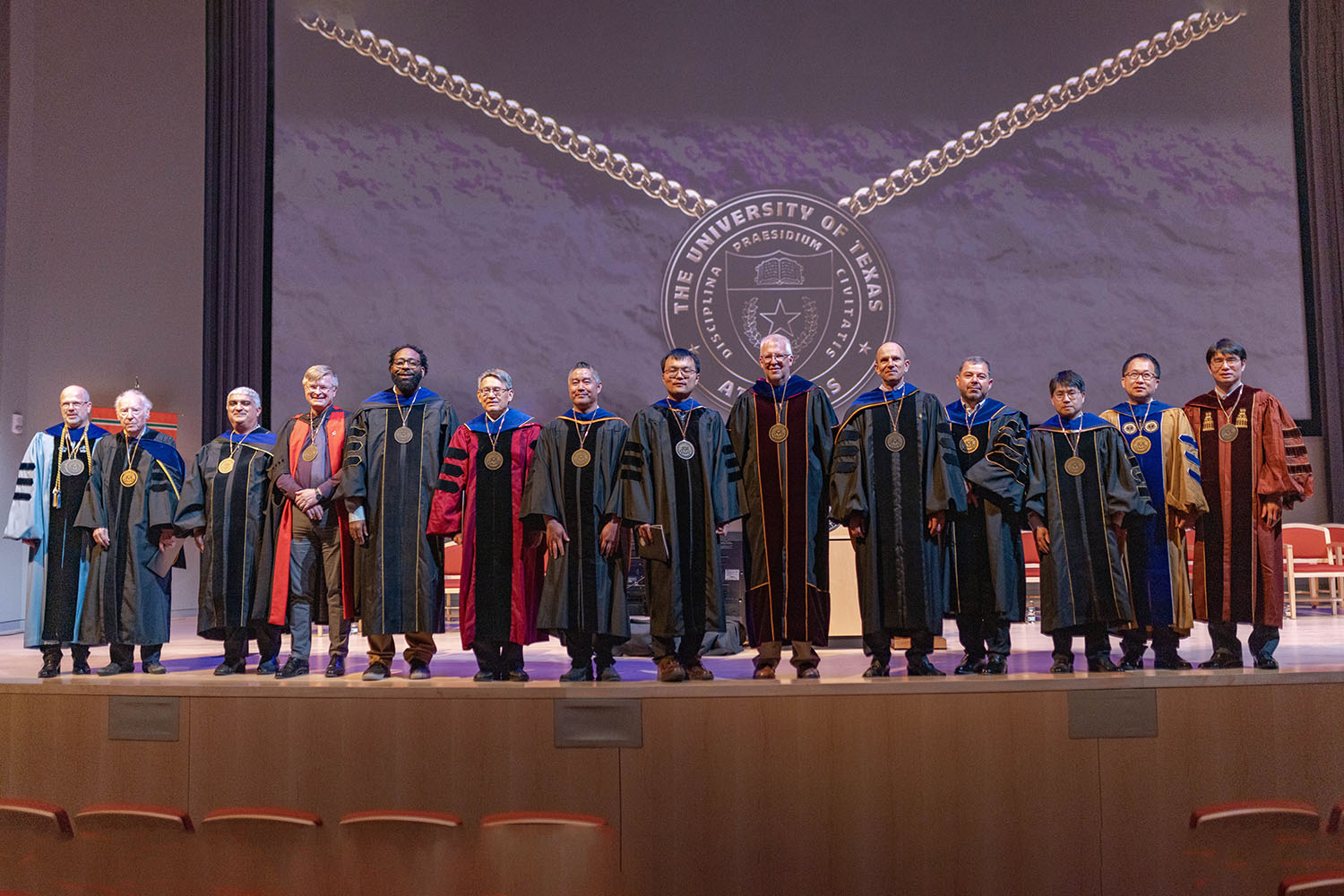
Our award-winning faculty are research-active scholars who care about students, encouraging them to take part in projects, many with a lab component.
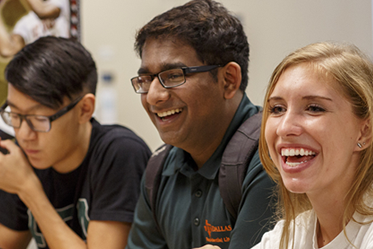
Undergraduates
Biochemistry majors bridge the gap between modern chemistry and biology while chemistry majors develop theoretical and practical skills.
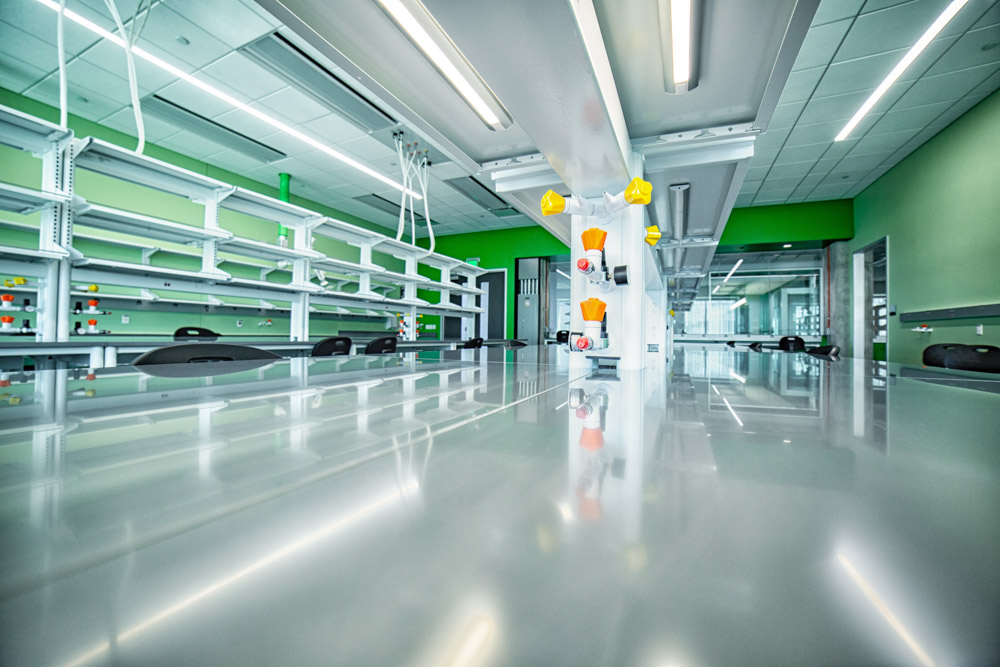
Research Experiences for Undergraduates (REU)
Chemistry Pathways to Building Functional Materials
Introducing undergraduate students to the world of research in a chemistry or biochemistry lab
Chemistry and Biochemistry in the News…
Seminar Series
Tweets
Tweets by UTDallasChemBio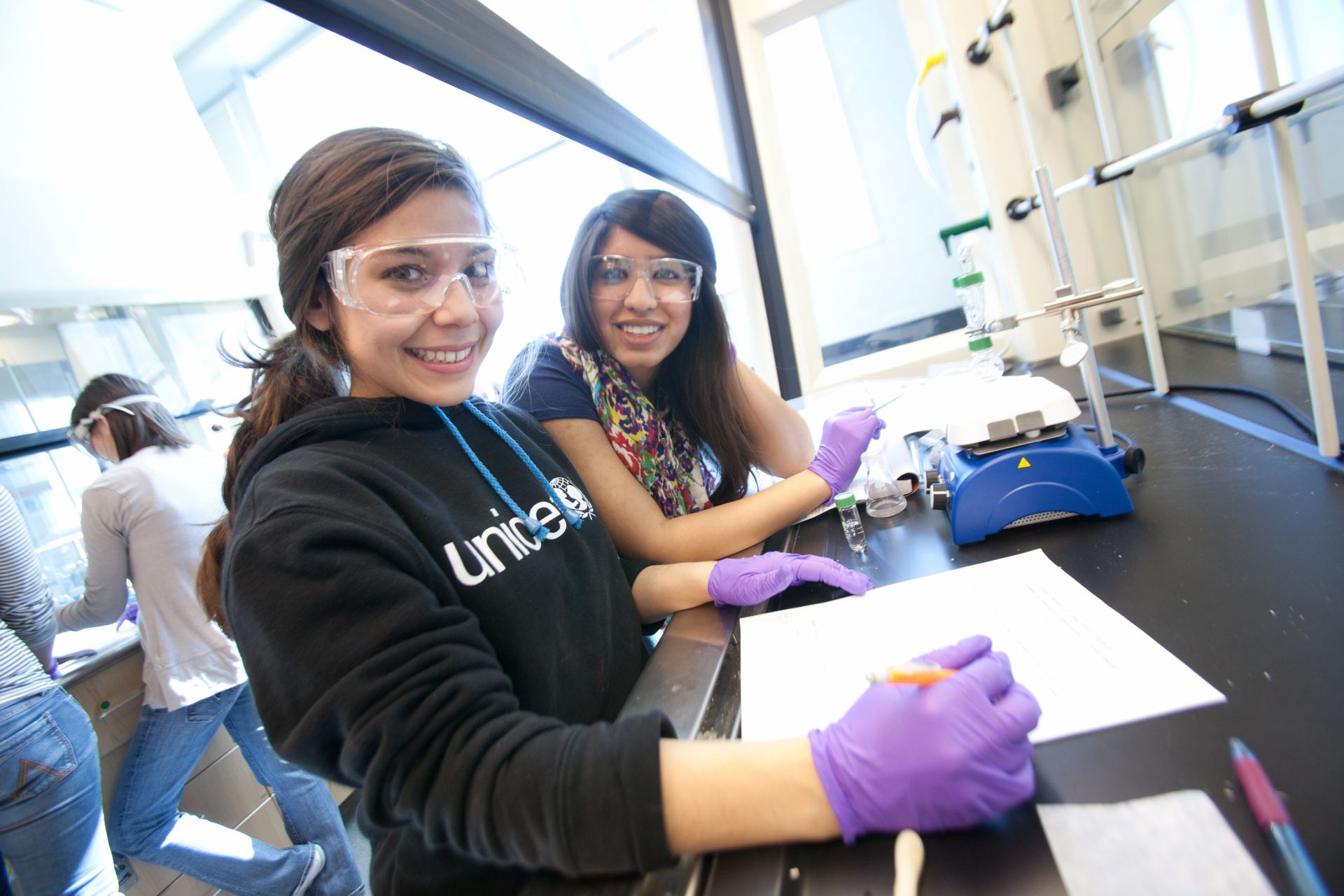
Chemistry & Biochemistry Appreciates Your Support
For as little as $1, your support for the Department of Chemistry & Biochemistry funds scientific discoveries, student and faculty recruitment, and academic scholarships. *Please select Department of Chemistry and Biochemistry in the Make a Gift link below.