Greetings from Dr. Gene Fitch, Jr.
Welcome to UT Dallas! We're here to provide you with resources and services that will contribute to your success both in and out of the classroom. Read More
The Division of Student Affairs serves a critical role in ensuring the education of the whole student, and in achieving the academic mission of UT Dallas. As a member of the President's Cabinet, the Vice President for Student Affairs works on special initiatives and cross-functional projects that help create a seamless learning environment for students.

The role of Student Affairs is to enrich the educational and University experience for students by providing outstanding services and programs from enrollment to graduation. Student Affairs plays a key role in supporting the University's commitment to produce engaged graduates prepared for life, work and leadership in a constantly changing world.
The inaugural impact report outlines the ’21-’22 achievements for Student Affairs and provides a glimpse of what is on the horizon.
The report showcases just a few of the many ways the division puts its words into action.

We strive to develop and implement high-quality, innovative, student-focused programs and traditions that result in graduates who are satisfied and successful. Read More

Student Affairs engages with parents and families in a number of ways, including through the Comet Families Program and Family Day.
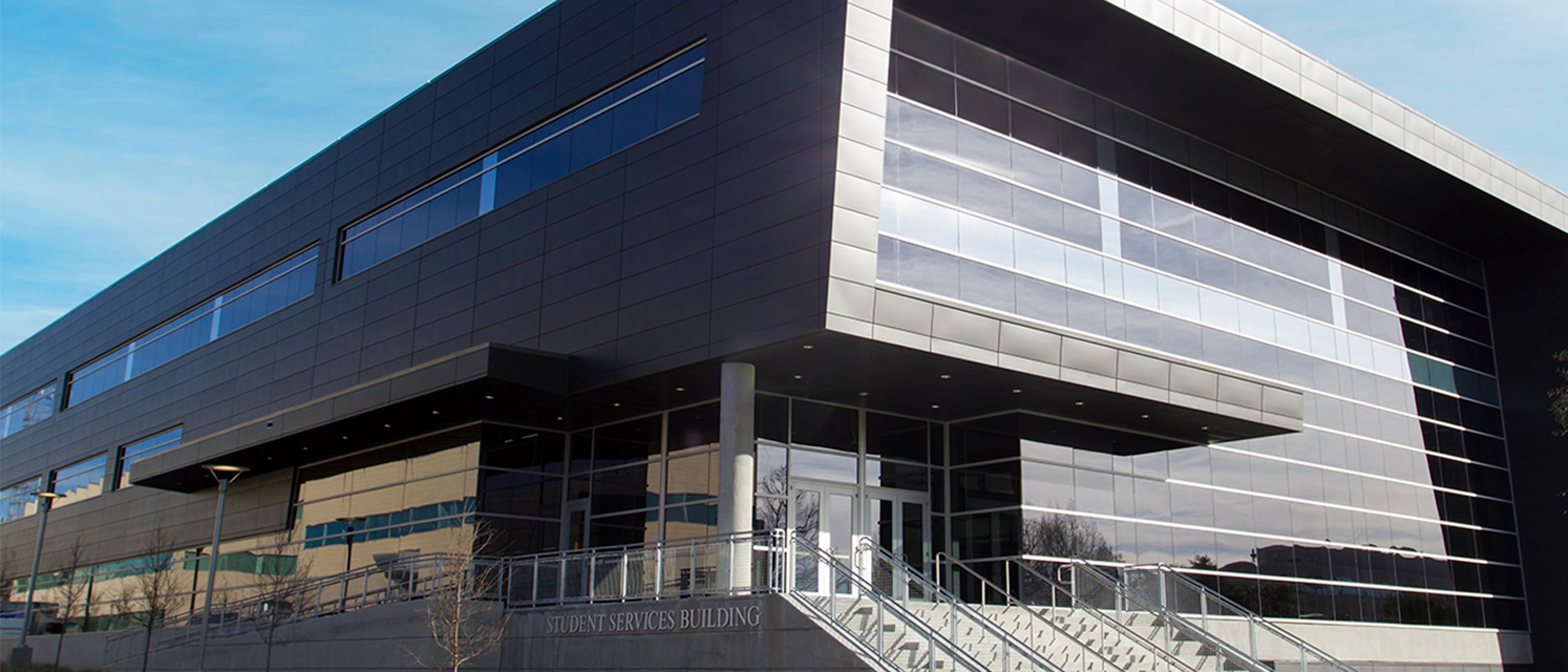
The organization chart for the division of Student Affairs is available to view. Read More
Student Affairs initiated a strategic planning process that involved conversations with all units in the division. Read More
The Behavior Assessment and Intervention Team reviews incidents and ensures a systematic response to students whose actions may be disruptive or harmful to themselves or the UT Dallas community. Read More

The mission of the Student Affairs assessment office is to enrich the university experience for students through the assessment of Student Affairs programs and services. Read More

The Student Fee Advisory Committee considers budget requests and makes recommendations for the allocation of funds from student fees. Read More

UT Dallas encourages students to participate in federal, state and local elections. Learn more about the Higher Education Act and how you can register to vote.